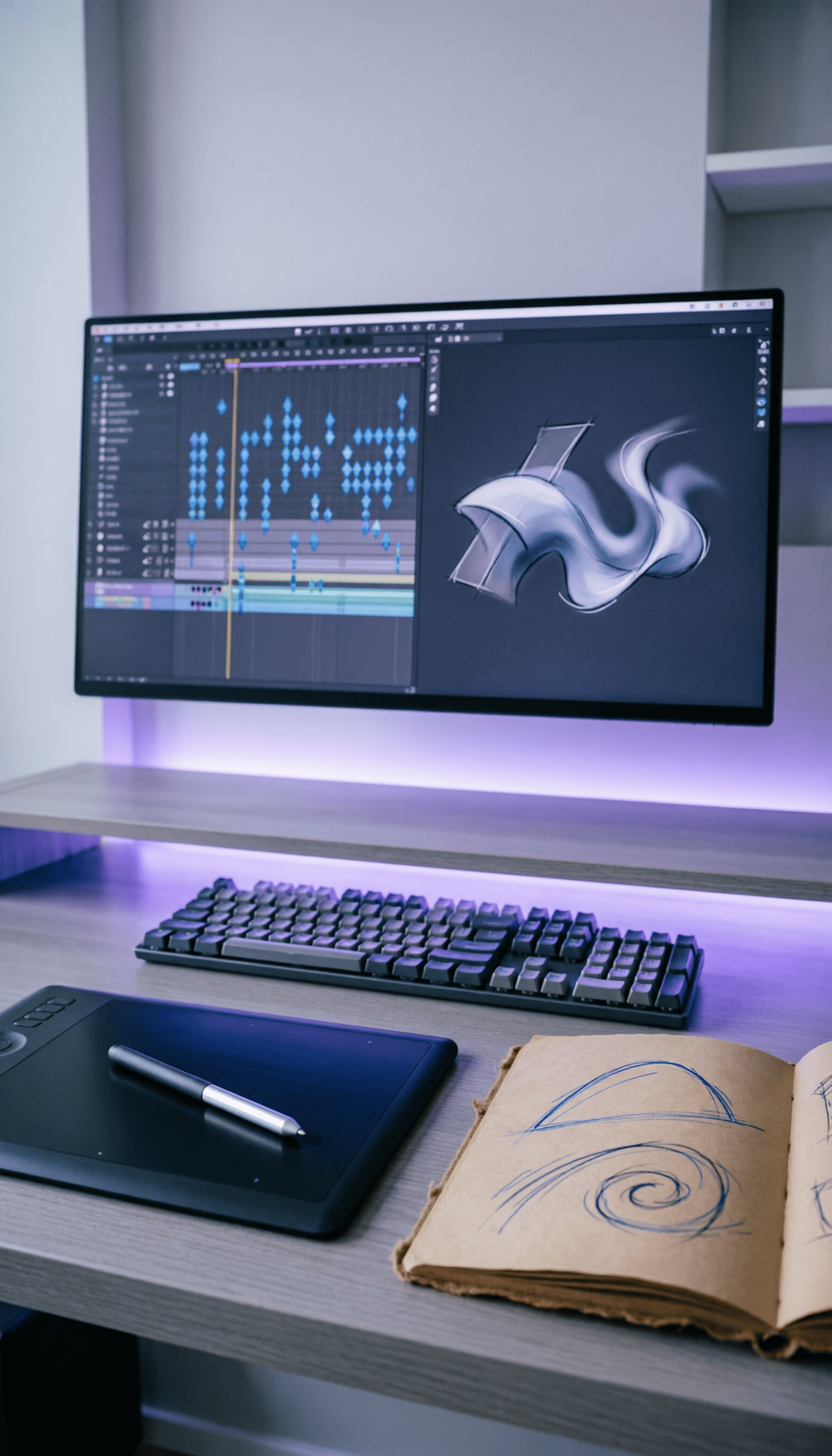
A "Living" Visual Identity: Bringing a Brand to Life Through Motion
- Price in currencies:
- 9.53 $ · 904 RUB
- Category:
- Others
- Item:
- «Живой» фирменный стиль.pdf (1586.56 KB)
- Uploaded:
- 23.09.2026 23:25:14
- Sales:
- 0
- Refunds:
- 0
- Seller:
- Shop Alex a · about the seller and their products
DESCRIPTION
A "Living" Visual Identity: Bringing a Brand to Life Through Motion
🎬 A "Living" Visual Identity: Bringing a Brand to Life Through Motion
In the digital age, a static logo often gets lost in the noise. This guide is your practical manual for creating a dynamic identity that makes an instant impression and conveys the brand´s character without words. We cover everything from the physics of motion to technical implementation in code and production. It’s not just about "cool effects," but about functional design that drives recognition and conversion.
📦 What’s inside the guide:
✅ Fundamental principles of UI/UX animation
Why motion must adhere to the laws of physics and psychology. How to use easing functions to avoid a robotic feel. An analysis of how animation guides user attention, confirms actions, and builds an emotional connection with the product. Function always comes before decoration.
✅ Technical formats and performance
Choosing the right format is a balance between load speed and quality. A detailed look at SVG and CSS/JS for the web, and Lottie (JSON) for transferring complex vector graphics from After Effects directly into code without quality loss. Why you should avoid heavy GIFs and videos when lightweight code will do the job.
✅ Use cases and adaptability
A logo lives in various contexts. Learn how to create variations: a full version for a site splash screen, a simplified one for a preloader, micro-animations for menu buttons, and a static fallback for the favicon. Animation adaptability is just as important as responsive layout design; the brand must look right on any screen.
✅ Accessibility and inclusivity
Professional design respects all users. How to properly handle system settings for reduced motion (*prefers-reduced-motion*). Avoiding flickering and triggers that could affect people with photosensitive epilepsy. Interface aesthetics should never cause discomfort or create barriers. ✅ Modern Motion Design Tools
An overview of the current tech stack: Figma and Rive for interactive browser-based animation; Jitter and Canva for a quick start; After Effects and Blender for complex projects. Choosing the right tool based on the task, not trends. Prioritizing simplicity and efficiency over unnecessary complexity.
✅ Common Pitfalls and Product Integration
Avoiding issues like visual clutter, excessive duration, and the lack of a pause before looping. Methods for testing animations on real devices and in various lighting conditions. Gathering feedback to strike the right balance between aesthetics and usability.
✅ Monetizing Motion Design Skills
Demand for high-quality brand animation is growing exponentially. Services include logo animation, creating motion guidelines, and developing animated presentations and ad creatives. Specializing in Lottie and interactive web animation opens doors to high-paying projects. Your ability to bring pixels to life is a valuable asset.
💡 Who this guide is for:
• Graphic designers looking to master motion design.
• UX/UI specialists aiming to enhance the user experience.
• Frontend developers implementing animations into products.
• Marketers and brand managers working on brand identity.
• Freelancers seeking new ways to monetize their skills.
🎯 Why choose this guide:
• Practicality: minimal fluff, maximum actionable techniques and checklists.
• Relevance: a focus on modern tools and web development standards.
• Comprehensiveness: covering everything from the psychology of perception to technical optimization.
• Safety: incorporates accessibility and inclusive design requirements.
Invest in the skills that make brands come alive and leave a lasting impression! ✨
REVIEWS
Reviews: (0)
No customer reviews yet.